It is important to do roof repairs in the correct conditions. So, when is the best time to do roof repairs in Colorado? Well, there isn’t an easy answer for this question, especially in Colorado.

In short, there is potential to do roof repairs year-round in Denver and the surrounding metro areas. That is not the case when considering the higher elevations in our state, but for the bulk of people concerned, I will speak to the general guidlines for timing roof repairs on the front range (Denver, Boulder, Westminster, Thornton, Lakewood, Aurora, Boulder, Longmont, Louisville, Highlands Ranch, Lakewood, Golden, Arvada, Littleton, and even Fort Collins). The weather here is incredible, that’s why we live here. Although there is a potential for snowfall during the majority of the year, there is also the potential for t-shirt weather in January.
The important thing to keep in mind is that any roof repairs that you are attempting to tackle are best completed in moderate temperatures, and while your roof is dry. That means there is potential for completing these repairs year round, but timing your project in the winter is much trickier. In the late spring, summer, and early fall, determining a day to complete those tasks is as easy as waking up, taking a look outside, and if the weather looks like it is going to be dry, get to work! I would suggest getting to work as early in the day as possible as the weather can change without much warning (trusting television weather people is not alwasy the wisest decision).

Doing any type of roof work, as I stated earlier, is much trickier in the winter, but it is not impossible. Because the repairs must be completed in moderate temperatures, and while your roof is dry, much more care must be taken when timing the project in the winter. That means, the snow must be off your roof, the temperature must be warm enough (typically over 45 degrees F), and the wheather outlook must be clear (I know, I just said trusting the weather people is not the wisest choice, but here is an exception).
After all of this is considered, planning your roof repairs in the late spring, summer, or early fall is best practice. Keep this in mind, when you are planning your next roof repair. When that time comes around, and you take out your ladder, get your tool belt on, secure a safety rope (so that your legacy does not get you a darwin award), get on top of your roof, realize that you forgot a tool, cannot find it, run to the hardware store, climb back up your ladder (assuming a common gust of wind has not come through and knocked it onto your car, neighbors house, or through a window), and maybe get it finished before the afternoon thunderstorm comes through…please be careful. Or, just give us a call, and we can do it correctly-the first time, and much more efficiently.

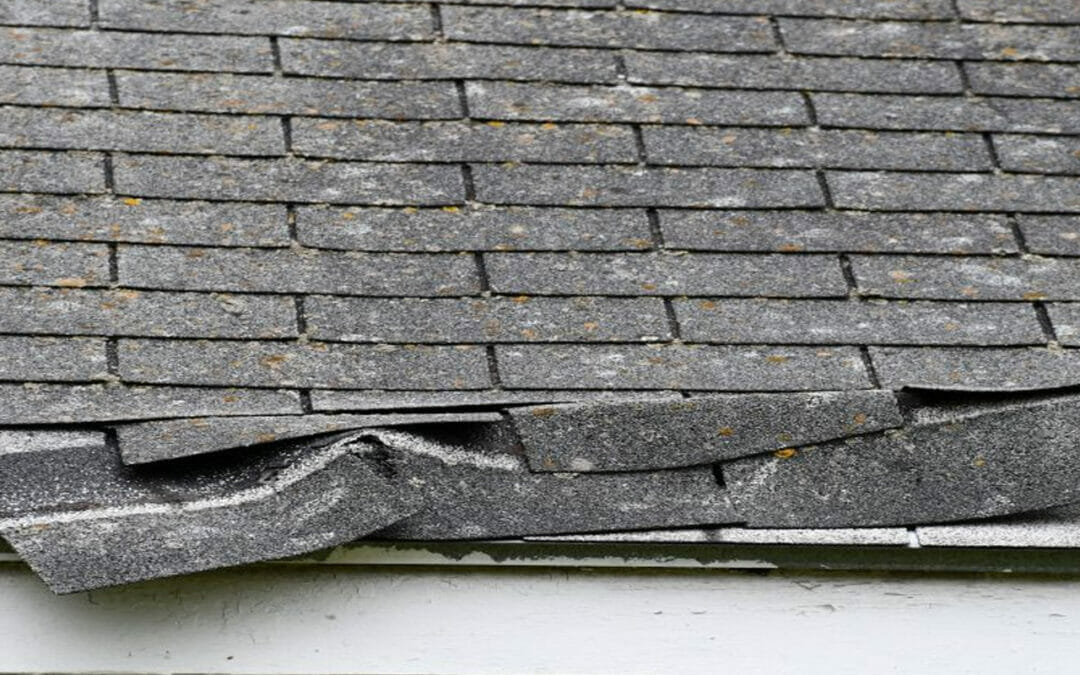
Press the loose shingle firmly onto the adhesive. Be sure to cement all the tabs throughout the roof, and be careful not to bend them farther than necessary when applying the adhesive as to avoid cracking, or shearing of the shingle. If you damage any shingles, replace them immediately.
I have explained a couple in depth, so that you can prepare and look out for these problems. Enjoy!
Every once in a while, you might be feeling for a change of color in your home. This is normal and can be a fun experience! If you do decide to move ahead in painting, there are a few do’s and don’ts you should be aware of.
As much as we don’t want to admit it, we all know that winter is on the way. Here in Colorado, we know exactly what our winters entail. Snow, snow, snow, and oh yeah. More snow. This is why as homeowners it’s extremely crucial that we prepare our homes, and most importantly our roofs, for these harsh Colorado winters.